
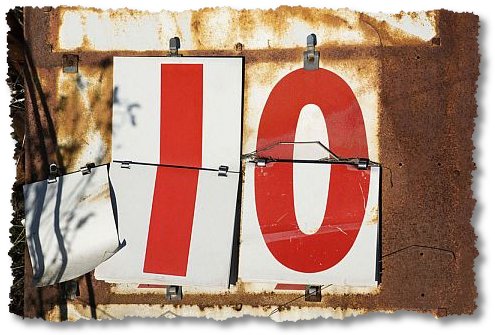
10 Observations on the 1862 Trials, Part 2

the-big-ten-11

I approached the publication of the 39 1862 Dakota War trials with misgivings, having attended three presentations on the subject in 2012:

  • Gary Clayton Anderson’s January 10, 2012 lecture at Gustavis Adolphus College in St. Peter, Minnesota
  • Walt Bachman’s August 24, 2012 presentation at Oak Grove Presbyterian Church in Bloomington, Minnesota
  • Presentations by Angelique Eaglewoman, Carol Chomsky, Paul Finkleman and Howard Vogel at the William Mitchell College of law 1862 Dakota war Symposium held August 26, 2012 in St. Paul.

The cumulative effect was a healthy skepticism about the trial record based on the fact that highly educated people were in fundamental disagreement about what the records said –from technical points like whether the defendants were arraigned on charges, to big-picture questions like whether Sibley’s military tribunal had the authority to conduct the trials.

All of the presenters agreed with Lincoln’s assessment that ordinary activities of war, like firing a gun at a battle, did not constitute a war crime worthy of the death sentence. That was one of the main principles on which the military commission rendered 303 death sentences in 1862.

But I was impressed that even the lawyers did not agree on fundamental questions like whether any of the decisions rendered under the circumstances could be just –implying that Lincoln’s approval of 39 of the death sentences was also unjust.

So I approached the trial records with misgivings, expecting to find evidence of a deeply flawed process. Instead I found the 6th of my 10 parting observations on trial record:

6. The Confidence of the Commission

The records of the 1862 military commission are remarkably un-selfconscious. The commission seems to have created its records guided by internal understanding of its obligations, a conscientious adherence to form –a form I suspect the commissioners believed constituted “accepted Military Law and usage.”

This makes the actual record a stark contrast to the “railroaded” and “shortcut” record some scholars have imagined. Had the commission genuinely been interested in railroading convictions rendered in secret in the field, it might have skipped copying what must amount to almost a thousand pages of busy work for multiple scribes: the trial forms.

The real beef of modern scholars who cry “railroaded!” is that the recorded testimony is egregiously short in most cases, especially given the fact that we know (the defendants probably did not) that each man was on trial for his life. That’s an important point.

At the same time, scholars have not considered the evidence that the 1862 commission faithfully recorded every last bit of trivia they felt required to record. (Many elements of the trial forms strike me as trivial; military scholars may deem those elements essential.)  It doesn’t seem likely that these conscientious recorders would fall off their high horse every time it came to recording testimony.

Rather, I think Bachman and Berg have hit upon a key point: that the brevity of the testimony is evidence of how low the commission’s standards for proof of guilt were, especially after October 15. The commissioners recorded the little they needed to record given the mandates they were working under.

7. Cultural Conflict

We approach the record with an appreciation for cultural differences that very few people tolerated in the 19th century.

Lincoln’s acceptance of the list of 39 Dakota men that George Whiting and Francis Ruggles, identified as having been convicted of rape or murder, suggests all three men concurred that the commission’s findings in those cases. Further, Whiting and Ruggles pulled 40 case files (the 39 plus Joseph Godfrey’s) for Lincoln’s consideration. Neither they, nor Lincoln, found the commission’s proceedings legally unfounded.

Yet I could not help but wince making the transcriptions juxtaposing the Whiting and Ruggles summary on the trial record, and upon the same defendant’s “confession” to Stephen Riggs. According to 19th century legal standards (which I understand still hold true today) a defendant’s boast of having killed someone is usually an exception to hearsay rules –that is, it inadmissible in court.

So it seems many defendants sealed their own fate months before they stepped foot in the courtroom tent –those nights the first week of the war they returned to camp and did what Dakotas expected warriors to do: recount “kills” accomplished on behalf of the oyate, their people.

Unfortunately, the audience around those campfires was mixed. Dakotas who supported the war likely did the traditional thing: praised the warriors as they recounted their deeds. But those who felt conscripted into the war or who outright opposed it, and mixed blood hostages, too, were listening. Later, they showed up in court as a witness and repeated the kills-boast as an accusation against the warrior who made it.

A number of Dakota men executed for murder were actually convicted not on eye-witness testimony to that act, but because they boasted about a “kill.”

Dakota defendants, obviously, were well versed in the nuances of their own culture. They tried to explain to the court, and then to Riggs, that from their point of view, only the warrior who fired the bullet or arrow that actually killed a victim was guilty of  murder. Therefore, many defendants argued, they were not guilty because they had only a fired a bullet at a living person, not the fatal bullet. These same defendants often had an uncanny ability to discern whose bullet killed a victim: it was rarely their own.

They also tried to explain that a warrior could count as a “kill” a less-violent act like striking a victim’s body with an object as innocuous as a flute. But the defendants did not view themselves as murderers for touching a victim killed by someone else.

The court didn’t listen to arguments about cultural norms; it seems it convicted defendants based on the commissioners’ own western ideas what constituted murder.

At the same time, it is curious that in the rush to understand modern Dakota views of the war, historians have applied stereotypes about Native Americans to the trials, positing ideas about full Dakota defendants like nobility, truth-telling, stoicism, and keen memory, while ascribing treachery to people of mixed- or no Dakota blood.

Instead, the trial records show some warriors claimed (literally) that they were too cowardly to fight. In the courtroom, others developed amnesia about their actions. Still others deflected culpability by naming another Dakota as having fired the fatal shot.

A remarkable number of defendants carried bad guns that misfired at the critical moment, or found themselves too hungry or sleepy to join in a battle. A few readily owned up to rape or murder, and were convicted on their own admission, not the testimony of a mixed-blood person. And sometimes a mixed blood witnesses could think of nothing that implicated a defendant.

8. Did Whiting and Ruggles overstate the evidence in any of the 39 cases?

This is a question the lawyers among us will have to tangle with. It struck me that the Whiting-Ruggles summaries using language like “Convicted of…” more fairly reflect the trail record than the cases where they used “Confessed to…” or “Proven to have…”

They closed their December 5, 1862 report to Lincoln by noting, “To facilitate your reference to these particular cases [listed in the letter] we have withdrawn the papers from the records of the commission and submit them herewith.”

Those forty cases comprise over 200 pages of written material. Did Lincoln read each case or did he simply trust the Whiting-Ruggles summaries when he reprieved Godfrey and approved the other 39 death sentences? If Lincoln relied upon the Whiting and Ruggles summaries in any of the cases, the accuracy of those summaries is critical.

9. The Riggs “confessions” offer telling commentary on the trial records.

These so-called “Confessions and Protestations of the Condemned” appeared in many newspapers, copied from proof sheets of the Thursday December 26, 1862  Mankato Record supplied by the editor of that paper.

Although none of the papers gives a date, Riggs may have conducted these interviews with the 39 Dakotas condemned to death on Monday December 23, the same day the condemned men were selected out of the general prison population.

As reprinted in the Sunday December 28, 1862, St. Paul Pioneer, the article opens, “The following is a synopsis of the conversations held with the condemned prisoners by the Rev. Stephen R. Riggs, and written out by him for publication, as an authentic record of their dying confessions and protestations….”

After supplying the text of the 39 statements [transcribed at the end of each corresponding case here], the article concludes:

“And now, guilty and not guilty, may God have mercy upon these 39 human creatures; and, if it be possible, save them in the other world, through Jesus Christ his son, Amen.

In making these statements, confessions, and denials, they were generally calm; but a few individuals were quite excited. They were immediately checked by the others, and told that they were all dead men, and there was no reason why they should not tell the truth. Many of them have indited letters to their friends  in which they say that they are very dear to them, but will see them no more. They exhort them not to cry or to change their dress for them. Some of them say they expect to go and dwell with the Good Spirit and express the hope that their friends will all join them.

On Tuesday evening they extemporized a dance, with a wild Indian song. It was feared that this was only a cover for something else which might be attempted, and their chains were thereafter fasted to the floor. It seems, however, probable that they were only singing their death song. Their friends in the other prison have been in to bid them farewell, and they are now ready to die. S.R.R.”

Riggs did not have the trial records in front of him when he took the condemned men’s statements; the original records of the military commission (of which there was no copy) had been mailed to Washington D.C. weeks previously for Lincoln’s review.

Many of the defendants used their interview with Rigs to state the crime they understood they were being executed for. With the trial records absent from Minnesota, the condemned men probably could do no better than surmise why they were to be executed. But, too late for it to make any difference in the outcome of the trial, Riggs gave each man some freedom to tell his own story his own way. Many disputed the findings of the military commission.

10. I only published 39 trials, not 41.

You’re not missing two trials. As the project developed I changed my plan to publish two more trial records: the cases of the two men mistakenly executed. Their stories deserve to be told. But not here. I couldn’t bring myself to separate their cases out of the general prison population and associate them with the condemned men –even if that is what happened in 1862.


Posted in 1862 Dakota War trials | Leave a comment

10 Observations on the 1862 Dakota War Trials

This project publishing the trial records of the Dakota men executed at Mankato in December 26, 1862, has been depressing. Yet, its necessity was underlined with the unveiling of the new monument in Mankato December 26, 2012 listing the names of the executed men.

Mankato Dakota 38 Monument

The monument, thoughtfully designed and beautifully executed by Martin and Linda Bernard, is a meaningful expression of Vernell Wabasha’s dream of paying tribute to the 38 men who were executed blocks from where the new monuments stands.

Except that only thirty-six of the thirty-eight men listed were actually executed that day in 1862. Two Dakotas listed, lived, and the identities of the two men who were wrongly executed are missing from the monument.

The Dakota mantra for this 150th commemorative year, “forgive everyone everything” needs to stretch to embrace the historians who for generations have managed to not investigate the “mistakes” made in 1862 when the 38 men to be executed were separated out of the general prison population.

*****

This trials project deserves more time and attention than I have to give it. For now, I have to be satisfied with making the records available for others to use. For their generosity in collaborating, I am indebted to Walt Bachman for sharing his base transcriptions of the trials, and to John Isch, for the page images of the holographs to back up my transcriptions.

So here are the first five of ten parting observations based on 80-some hours inside the trial records of the thirty-nine Dakota men Lincoln slated for execution on December 26, 1862 for participation in the U.S. Dakota war.

1. Dates in the 1862 trial records

Dating a trial is important. Was a specific prisoner’s case one of a few tried on a single day? Or was he tried on the infamous day the tribunal is said to have heard 40 cases?

Confusingly, some cases contain four different dates. Here’s what to watch for:

  • September 28, 1862 is the date Sibley issued General Order 55 authorizing the tribunal to,”to try summarily the Mulatto, and Indians, or mixed bloods, now prisoners, or who may be brought before them….” A copy of Order 55 appears at the top of each of the 393 cases brought in 1862.
  • October 15, 1862. All cases tried on or after October 15 also bear a copy of General Order 65, reconvening the commission with Major Bradley sitting in for William Marshall, who had been sent out to capture Dakota people who had not surrendered. The date of Order 65 was mis-copied as the 16th and the 18th of October in some cases. I did not correct this copy error because it speaks to the process that generated the extant record. (See 2. below)
  • Trial Date. The date I believe represents the date on which a case was tried generally appears with a location note just before the list of military tribunal members, like “Camp Sibley Lower Agency/ November 3 1862.” On some cases, the date is missing, appearing as “October [blank] 1862.” Because the trials were conducted in numbered sequence, future work by scholars will be able to approximate dates for these trials from the trial dates listed in adjacent cases. (This project captures only 10% of the cases; most of the data has yet to be analyzed.)
  • 29 October 1862 is the fourth date, appearing at the head of the charge sheet of cases held on or after that date. My impression is that this date is an artifact of the form-copying process.

2. 1862 Trial Forms

In this day before photocopiers and printers, transcriptionists in the field copied piles of forms for the military commission’s use. The page images show that even the shortest trials required three sheets of paper, with writing typically on 5 of the 6 sides, and the back of the third page doubling as the wrapper/jacket. However most of the words in a typical case are boiler-plate language, possibly designed to guide the commission’s records “by Military Law and usage” –the closing dictate of Order 55. In the future, scholars will compare the 1862 Dakota case files to the records of similar military tribunals convened during the Civil War to find out.

A midst the copied language on the page images, watch for the recorder, Isaac Heard’s, handwriting: it signals the material original to each case. Heard’s handwriting appears:

  • Every place the defendant’s name appears. The copyist left four blanks for the defendant’s name in each set of case forms; Heard filled them in.
  • The witness list at the bottom of the charge/specification form.
  • The page(s) of testimony summarizing what transpired in the court room.
  • The commission’s sentence of judgment.

3. Witness List

In many cases, the names of the witnesses listed do not match the witnesses recorded as having testified in that case. I asked Walt Bachman about this anomaly and he confirmed my impression: that the list of witnesses on the charge sheet is an artifact of the pre-trial fact-finding process. The list likely reflects potential witnesses –people who presumably offered incriminating information that led the commission to try that defendant.

Presumably, some of this information was gathered by Stephen Riggs in his pre-trial investigation role. But there also seems to be correspondence, in some cases, to Dakotas who, at their own trial, implicated a man who had not yet been tried. Future scholarship on the body of trials as a whole should test that hypothesis.

Bachman rightly cautions that we cannot conclude a listed witness was not called based on the absence of his name from the recorded testimony; the record does not reflect everything that transpired in the courtroom. At the same time, especially after October 15, the threshold for convicting a defendant was so low, that the court may have closed the case as soon as it heard sufficiently incriminating information, without calling all the witnesses that might have contributed more information –incriminating or exculpatory.

4. The extant record is abridged

We can only wish these were verbatim transcripts like courts generate in the modern day. They are not. For example, in some cases, the defendant’s first recorded words appear to be a response to a question not written in the record. In other cases, the recorded testimony seems to follow a logical dialogue, with the defendant’s opening words sounding like response to the specific charges he was arraigned on. Then a witness challenges the defendant’s opening statement and the defendant replies to the witness’s charge.

In some cases, there is recorded evidence that the charges were read aloud to the defendant, and in another case that the concept of “oath” was explained to a witness, who affirmed he understood. However, evidence of these legal nuances are missing from many cases. Whether the commission routinely performed these steps but did not routinely record them, will always be conjecture because the record is not complete.

Even more troubling, we know in some cases that key information that was known to the court is missing from record. For example, defendant 359, Chan-ka-hda, told Riggs he believed he was being executed for the death Mary Anderson –a charge he protested, claiming that while he did in fact take Anderson captive, she had been shot by someone else.

But nowhere does his trial indicate that Mary Anderson died in captivity of her gunshot wound  as the court must have known (because they were seeking rape cases and Anderson was alleged to have been raped before she died), and for which the court might have charged 359/Chan-ka-hda. Instead, the court found Chan-ka-hda guilty of murder based on testimony that he was present when Patoille/Patville was killed –the same scene at which Chan-ka-hda took Anderson captive, he said, to save her.

So while the modern viewpoint is to consider the abridged trial record insufficient evidence of guilt to warrant the death sentence, the incomplete record also cuts the other way: if each defendant had been fully tried by modern courtroom procedures  the resulting record might  show the defendant was more deeply implicated than the abridged record shows.

5. Pre-and Post- October 15 trial differences

Walt Bachman and Scott W. Berg are leading the way on an important new interpretive point: that the pace and nature of the 1862 trials dramatically shifted with the order from General Pope to Sibley that resulted in Sibley’s Order 65 on October 15, 1862. Berg’s arguments are public in his new book, 38 Nooses: Lincoln, Little Crow and the Beginning of the Frontier’s End. Bachman summarized his analysis, detailed in his forthcoming Northern Slave, Black Dakota: The Life and Times of Joseph Godfrey, in public presentation in Bloomington, MN, on August 26, 2012.

While I found both authors’ arguments compelling, I had never spent time with the trial holographs as Berg and Bachman did.  Now I have, and I’m a believer. From this point forward scholars will not be able to credibly make blanket dismissive assertions like, “they tied 40 men per day.” There are important, significant differences in the cases held before and after October 15, 1862 –differences which can be seen in the 39 trial records published in this series. Future scholarship will develop those differences and explore their implications for the justice of the sentences rendered in 1862.

Observations 6-10  are next up.

Image credit: Winona Daily Tribune

Posted in 1862 Dakota War trials | 1 Comment

1862 Trial 384: Wa-kin-ya-na

For an overview of this series publishing the trial records of the 38 Dakota men executed at Mankato Minnesota on December 26, 1862, see the first post.

Wakinyana’s is trial thirty-ninth and last of thirty-nine in this series. 

Transcript: Trial 383 Wak-in-ya-na

Page Images: #383 Wak-in-ya-na

*****

Whiting-Ruggles Summary December 5, 1862

No. 383. WA-KIN-YAN-NA.—Convicted of participating in the murder, near the “Travellers’ Home,” of an old man, two young girls, and two boys.[1]

*****

Trial Record November 3, 1862

[Trial #383 – Wa-kin-yan-na]

Proceedings of a Military Commission convened at Camp Release opposite the Mouth of Chippewa River by virtue of the following order

Order No. 55                           viz:

Head Quarters Camp Release September 28th 1862

A Military Commission composed of Colonel Wm Crooks of the 6th Reg., Lieut. Col. Marshall of the 7th Regiment, Captains Grant & Bailey of the 6th Reg. And Lieut. Olin of the 3rd Reg. Will convene at some convenient point in camp at 10 o’clock this morning to try summarily the Mulatto, and Indians, or mixed bloods, now prisoners, or who may be brought before them, by direction of the Col. Commanding and pass judgment upon them, if found guilty of murder or other outrages upon the Whites, during the present State of hostilities of the Indians, the proceedings of the Commission to be returned to these Head Quarters immediately after their conclusion, for the consideration of the Col. Commanding.

The Commission will be governed in their proceedings, by Military Law and usage.

By order of the Colonel Commanding Military Expedition

(signed) S.H. Fowler

A.A.A. Genl

Head Qtrs. Camp Release Min. Oct. 15 1862

Order No. 65

I. The Military Commission of which Col. Wm Crooks 6th Regt Minn Vols is President will reconvene tomorrow at 10 Oclock AM or as soon thereafter as practicable and proceed with the business before it.

II.Lieut. Col. Wm R Marshall 7th Minn Vols being absent on duty Maj. Gen Bradley of the seventh is hereby detailed to fill the vacancy thus occasioned.

By order of Gen.l H.H. Sibley

S.W. Fowler Lieut Col. A.A.A. Gl

Camp Sibley Lower Agency

November 3, 1862

The Military Commission met pursuant to the above order-

Present

Col. Crooks – 6th Reg. M. V.

Maj. Bradley, 7th Regt. M.V.     Members

Capt. Grant, 6th Regt. M.V.

Capt. Bailey, 6th Regt. M. V.

Lt. Olin – 3rd Regt. M. V., Judge Advocate

Adjutant Heard – McPhail’s Mounted Rangers – Recorder

The Military Commission was duly sworn and Wak-in-yan-na a Sioux Indian was arraigned in the following charge and specifications, viz

Headquarters Camp Sibley

29 October 1862

            Charge and specification against Wak-in-yan-na a Sioux Indian

Charge –Participation in the murders, outrages & robberies committed by the Sioux Indians on the Minnesota frontier

Specification –In that Wak-in-yan-na a Sioux Indian did join with and participate in the murders robberies and outrages committed by the Sioux Tribe of Indians on the Minnesota frontier between the 18th day of August 1862 and the 28th day of September 1862 and particularly in the Battles of the Fort, Birch Coolie, New Ulm, and Wood Lake

By order of Gen.l H.H. Sibley

S.W. Fowler Lieut Col.

A.A.A. Gl

Witness

Godfrey

A German boy

[No speaker identified] I was at the Fort at the last battle.  I was asleep, because I didn’t like it because the other Indians were firing.

At New Ulm, I was roasting beef all day.

Godfrey, sworn – At the commencement of the outbreak at New Ulm, when they were killing the people, I saw him rush in a house near the Traveller’s Home where they killed an old man and two young girls.  I did not see him do anything.  After he came home I heard him say he killed two boys – killed them with his was lance.

Prisoner says – I might have done it, but it was not with my lance, but with my flute.  I touched him with it.  He was outdoors and ran upstairs.

And there upon the case being closed the Commission was cleared and proceeded with their finding and sentence.

The Military Commission after due deliberation on the foregoing, the evidence being closed and Commission was cleared and proceeded with the finding and sentence.

The Military Commission find the prisoner, the said Wak-in-yan-na, a Sioux Indian, as follows –

Guilty of the specification

Guilty of the charge,

And sentence him to be hung by the neck until he is dead.

                                    [signatures of Mil. Com.][2]

*****

Riggs Synopsis December 1862

39. Wak-kin-yan-wa (Little Thunder) says he is charged with having murdered one of the Coursall children, but the child is still living; he has seen the child since he was before the military commission. He has done nothing worthy of death.[3]


[1]Whiting-Ruggles Report to Abraham Lincoln December 5, 1862.

[2] Dakota Trials Records. Microfilm and holograph records in Center for Legislative Archives, U.S. Senate Records, National Archives. Transcription by Walt Bachman. See corresponding digitations of microfilm by John Isch.

[3] Mankato Independent December 26, 1862, “Confessions of the Condemned” p. 2. Editorial introduction reads: “Rev. S. R. Riggs has kindly prepared for us the following synopsis of conversations held with each one of the condemned prisoners, wherein is contained much interesting information.”

Transcriptions by Walt Bachman and Carrie Reber Zeman. Page images provided by John Isch.

Posted in 1862 Dakota War trials | Tagged | Leave a comment

1862 Trial 382: Ma-hoo-way-wa

For an overview of this series publishing the trial records of the 38 Dakota men executed at Mankato Minnesota on December 26, 1862, see the first post.

Mahoowaywa’s is trial thirty-eighth of thirty-nine in this series. 

Transcript: Trial 382 Ma-hoo-way-wa

Page Images: #382 May-hoo-way-wa

*****

Whiting-Ruggles Summary December 5, 1862

No. 382. MA-HOO-WAY-WA.—Convicted of participating in the massacre at “Travellers’ Home,” and of murdering a man on the road near there.[1]

*****

Trial Record November 3, 1862

[Trial #382 – Ma-hoo-way-wa]

Proceedings of a Military Commission convened at Camp Release opposite the Mouth of Chippewa River by virtue of the following order

Order No. 55                           viz:

Head Quarters Camp Release September 28th 1862

A Military Commission composed of Colonel Wm Crooks of the 6th Reg., Lieut. Col. Marshall of the 7th Regiment, Captains Grant & Bailey of the 6th Reg. And Lieut. Olin of the 3rd Reg. Will convene at some convenient point in camp at 10 o’clock this morning to try summarily the Mulatto, and Indians, or mixed bloods, now prisoners, or who may be brought before them, by direction of the Col. Commanding and pass judgment upon them, if found guilty of murder or other outrages upon the Whites, during the present State of hostilities of the Indians, the proceedings of the Commission to be returned to these Head Quarters immediately after their conclusion, for the consideration of the Col. Commanding.

The Commission will be governed in their proceedings, by Military Law and usage.

By order of the Colonel Commanding Military Expedition

(signed) S.H. Fowler

A.A.A. Genl

Head Qtrs. Camp Release Min. Oct. 15 1862

Order No. 65

I. The Military Commission of which Col. Wm Crooks 6th Regt Minn Vols is President will reconvene tomorrow at 10 Oclock AM or as soon thereafter as practicable and proceed with the business before it.

II.Lieut. Col. Wm R Marshall 7th Minn Vols being absent on duty Maj. Gen Bradley of the seventh is hereby detailed to fill the vacancy thus occasioned.

By order of Gen.l H.H. Sibley

S.W. Fowler Lieut Col. A.A.A. Gl

Camp Sibley Lower Agency

November 3 1862

The Military Commission met pursuant to the above order-

Present

Col. Crooks – 6th Reg. M. V.

Maj. Bradley, 7th Regt. M.V.     Members

Capt. Grant, 6th Regt. M.V.

Capt. Bailey, 6th Regt. M. V.

Lt. Olin – 3rd Regt. M. V., Judge Advocate

Adjutant Heard – McPhail’s Mounted Rangers – Recorder

The Military Commission was duly sworn and Ma-hoo-way-wa a Sioux Indian was arraigned in the following charge and specifications, viz

Headquarters Camp Sibley

29 October 1862

            Charge and specification against Ma-hoo-way-wa a Sioux Indian

Charge –Participation in the murders, outrages & robberies committed by the Sioux Indians on the Minnesota frontier

Specification –In that Ma-hoo-way-wa a Sioux Indian did join with and participate in the murders robberies and outrages committed by the Sioux Tribe of Indians on the Minnesota frontier between the 18th day of August 1862 and the 28th day of September 1862 and particularly in the Battles of the Fort, Birch Coolie, New Ulm, and Wood Lake.

By order of Gen.l H.H. Sibley

S.W. Fowler Lieut Col.

A.A.A. Gl

Witness

Godfrey

Prisoner states –

I wasn’t at the battle of the Fort.

I was wounded this side of New Ulm.  I had to go down. I had no gun.  I went down with a pipe and did nothing.

Godfrey, sworn, says –  It’s not true about his not wanting to go.  They were all very much pleased with the troubles and ran to the Dutch settlement – first killed a lot of white people and then came to a load of wheat..  Prisoner had a double barreled gun.  He said he took the gun from a house in the German settlements.  They all made a rush at the wagon loaded with hay –two white men were in it – about.  The Indians all fired on them.  I did not see them afterwards.  They were all scattered along the road going to New Ulm.  I afterwards met him coming home to Crow’s Village and he was wounded.  I afterwards heard he had been away two nights.  I asked him and he said it was so. I asked him if it he was wounded and he said “Yes”.  I asked him how it happened and he said he shot

[Frame 895]

a white man and ran towards him and the white man shot him with a pistol.  That he fell and lay there a long time, and when he came to, the white man was dead.

He made rush with others where an old man and two girls were killed, this side of the Traveller’s Home.

And there upon the case being closed the Commission was cleared and proceeded with their finding and sentence.

The Military Commission after due deliberation on the foregoing, the evidence being closed and Commission was cleared and proceeded with the finding and sentence.

The Military Commission find the prisoner, the said Ma-hoo-way-wa, a Sioux Indian, as follows –

Guilty of the specification

Guilty of the charge,

And sentence him to be hung by the neck until he is dead.

                                    [signatures of Mil. Com.][2]

*****

Riggs Synopsis December 1862

38. Ma-hoo-way-ma (He Comes for Me) says he was out in one of the raids toward the Big Woods; did not kill anybody, but struck a woman who had been killed before; was himself wounded.[3]


[1]Whiting-Ruggles Report to Abraham Lincoln December 5, 1862.

[2] Dakota Trials Records. Microfilm and holograph records in Center for Legislative Archives, U.S. Senate Records, National Archives. Transcription by Walt Bachman. See corresponding digitations of microfilm by John Isch.

[3] Mankato Independent December 26, 1862, “Confessions of the Condemned” p. 2. Editorial introduction reads: “Rev. S. R. Riggs has kindly prepared for us the following synopsis of conversations held with each one of the condemned prisoners, wherein is contained much interesting information.”

Transcriptions by Walt Bachman and Carrie Reber Zeman. Page images provided by John Isch.

Posted in 1862 Dakota War trials | Tagged | Leave a comment

1862 Trial 377: O-ya-tay-a-koo

For an overview of this series publishing the trial records of the 38 Dakota men executed at Mankato Minnesota on December 26, 1862, see the first post.

Oyatayakoo’s is trial thirty-seventh of thirty-nine in this series. 

Transcript: Trial 377 O-ya-tay-a-koo

Page Images: #377 O-ya-tay-a-koo

*****

Whiting-Ruggles Summary December 5, 1862

No. 377. O-YA-TAY-A-KOO.—Convicted of participating in the murder of Patville.[1]

*****

Trial Record November 3, 1862

[Trial #377 – O-ya-tay-a-koo]

Proceedings of a Military Commission convened at Camp Release opposite the Mouth of Chippewa River by virtue of the following order

Order No. 55                           viz:

Head Quarters Camp Release September 28th 1862

A Military Commission composed of Colonel Wm Crooks of the 6th Reg., Lieut. Col. Marshall of the 7th Regiment, Captains Grant & Bailey of the 6th Reg. And Lieut. Olin of the 3rd Reg. Will convene at some convenient point in camp at 10 o’clock this morning to try summarily the Mulatto, and Indians, or mixed bloods, now prisoners, or who may be brought before them, by direction of the Col. Commanding and pass judgment upon them, if found guilty of murder or other outrages upon the Whites, during the present State of hostilities of the Indians, the proceedings of the Commission to be returned to these Head Quarters immediately after their conclusion, for the consideration of the Col. Commanding.

The Commission will be governed in their proceedings, by Military Law and usage.

By order of the Colonel Commanding Military Expedition

(signed) S.H. Fowler

A.A.A. Genl

Head Qtrs. Camp Release Min. Oct. 15 1862

Order No. 65

I. The Military Commission of which Col. Wm Crooks 6th Regt Minn Vols is President will reconvene tomorrow at 10 Oclock AM or as soon thereafter as practicable and proceed with the business before it.

II.Lieut. Col. Wm R Marshall 7th Minn Vols being absent on duty Maj. Gen Bradley of the seventh is hereby detailed to fill the vacancy thus occasioned.

By order of Gen.l H.H. Sibley

S.W. Fowler Lieut Col. A.A.A. Gl

Camp Sibley Lower Agency

November 3, 1862

The Military Commission met pursuant to the above order-

Present

Col. Crooks – 6th Reg. M. V.

Maj. Bradley, 7th Regt. M.V.     Members

Capt. Grant, 6th Regt. M.V.

Capt. Bailey, 6th Regt. M. V.

Lt. Olin – 3rd Regt. M. V., Judge Advocate

Adjutant Heard – McPhail’s Mounted Rangers – Recorder

The Military Commission was duly sworn and O-ya-tay-a-koo a Sioux Indian was arraigned in the following charge and specifications, viz

Head Quarters Camp Sibley

29 October 1862

            Charge and specification against O-ya-tay-a-koo a Sioux Indian

Charge –Participation in the murders, outrages & robberies committed by the Sioux Indians on the Minnesota frontier

Specification –In that O-ya-tay-a-koo a Sioux Indian did join with and participate in the murders robberies and outrages committed by the Sioux Tribe of Indians on the Minnesota frontier between the 18th day of August 1862 and the 28th day of September 1862 and particularly in the Battles of the Fort, Birch Coolie, New Ulm, and Wood Lake

By order of Gen.l H.H. Sibley

S.W. Fowler Lieut Col.

A.A.A. Gl

Witness

Wakan hdiota

Prisoner states –

I do not remember stabbing Patwell.  I was standing by when he was killed.

Godfrey sworn – When Patwell was killed prisoner was present.  Patwell was shot but was not dead.  He was thrown upon the ground and prisoner stabbed him before he was dead.

Wakan hdiota, sworn – Has heard the same thing of prisoner.

And there upon the case being closed the Commission was cleared and proceeded with their finding and sentence.

The Military Commission after due deliberation on the foregoing, the evidence being closed and Commission was cleared and proceeded with the finding and sentence.

The Military Commission find the prisoner, the said O-ya-tay-a-koo, a Sioux Indian, as follows –

Guilty of the specification

Guilty of the charge,

And sentence him to be hung by the neck until he is dead.

                                    [signatures of Mil. Com.][2]

*****

Riggs Synopsis December 1862

37.  O-ya-tay-koo (The Coming People) says he was with the company that killed Patwell and others. He is charged with striking him with a hatchet after he was shot; this charge he denies.[3]


[1]Whiting-Ruggles Report to Abraham Lincoln December 5, 1862.

[2] Dakota Trials Records. Microfilm and holograph records in Center for Legislative Archives, U.S. Senate Records, National Archives. Transcription by Walt Bachman. See corresponding digitations of microfilm by John Isch.

[3] Mankato Independent December 26, 1862, “Confessions of the Condemned” p. 2. Editorial introduction reads: “Rev. S. R. Riggs has kindly prepared for us the following synopsis of conversations held with each one of the condemned prisoners, wherein is contained much interesting information.”

Transcriptions by Walt Bachman and Carrie Reber Zeman. Page images provided by John Isch.

Posted in 1862 Dakota War trials | Tagged | Leave a comment

1862 Trial 373: Hda-hin-hday

For an overview of this series publishing the trial records of the 38 Dakota men executed at Mankato Minnesota on December 26, 1862, see the first post.

Hdahinhday’s is trial thirty-sixth of thirty-nine in this series. 

Transcript: Trial 373 Hda-hin-day

Page Images: #373 Hda-hin-hday

*****

Whiting-Ruggles Summary December 5, 1862

No. 373. HDA-HIN-HDAY.—Convicted of the murder of Mrs. Adams’s child, and others. Was one of the party that brought Mrs. Adams in.[1]

*****

Trial Record November 3, 1862

[Trial #373 – Hda-hin-hday]

Proceedings of a Military Commission convened at Camp Release opposite the Mouth of Chippewa River by virtue of the following order

Order No. 55                           viz:

Head Quarters Camp Release September 28th 1862

A Military Commission composed of Colonel Wm Crooks of the 6th Reg., Lieut. Col. Marshall of the 7th Regiment, Captains Grant & Bailey of the 6th Reg. And Lieut. Olin of the 3rd Reg. Will convene at some convenient point in camp at 10 o’clock this morning to try summarily the Mulatto, and Indians, or mixed bloods, now prisoners, or who may be brought before them, by direction of the Col. Commanding and pass judgment upon them, if found guilty of murder or other outrages upon the Whites, during the present State of hostilities of the Indians, the proceedings of the Commission to be returned to these Head Quarters immediately after their conclusion, for the consideration of the Col. Commanding.

The Commission will be governed in their proceedings, by Military Law and usage.

                                                            (signed) H.H. Sibley

 Colonel Commanding Military Expedition

Head Qtrs. Camp Release Min. Oct. 15 1862

Order No. 65

I. The Military Commission of which Col. Wm Crooks 6th Regt Minn Vols is President will reconvene tomorrow at 10 Oclock AM or as soon thereafter as practicable and proceed with the business before it.

II.Lieut. Col. Wm R Marshall 7th Minn Vols being absent on duty Maj. Gen Bradley of the seventh is hereby detailed to fill the vacancy thus occasioned.

By order of Gen.l H.H. Sibley

S.W. Fowler Lieut Col. A.A.A. Gl

Camp Sibley Lower Agency

November 3rd 1862

The Military Commission met pursuant to the above order-

Present

Col. Crooks – 6th Reg. M. V.

Maj. Bradley, 7th Regt. M.V.     Members

Capt. Grant, 6th Regt. M.V.

Capt. Bailey, 6th Regt. M. V.

Lt. Olin – 3rd Regt. M. V., Judge Advocate

Adjutant Heard – McPhail’s Mounted Rangers – Recorder

The Military Commission was duly sworn and Hda-hin-hday a Sioux Indian was arraigned in the following charge and specifications, viz

Head Quarters Camp Sibley

29th October 1862

            Charge and specification against Hda-hin-hday a Sioux Indian

Charge –Participation in the murders, outrages & robberies committed by the Sioux Indians on the Minnesota frontier

Specification –In that Hda-hin-hday a Sioux Indian did join with and participate in the murders robberies and outrages committed by the Sioux Tribe of Indians on the Minnesota frontier between the 18th day of August 1862 and the 28th day of September 1862 and particularly in the Battles of the Fort, Birch Coolie, New Ulm, and Wood Lake

H.H. Sibley

Brig Gen Commanding

Witness

Alex Graham

Prisoner states –

Was not at the Fort, nor at New Ulm, nor at Birch Coolie.  Was at home with the belly ache.

Was at Wood Lake.  Did not fire there. Was not out to the Big Woods.

Alex Graham, sworn, states –

I have heard that the prisoner was the man that killed Mrs. Adams child.  I don’t know the fact but have heard so.

Prisoner states –That he knows nothing about himself.  Don’t remember of doing anything bad.

Jos. Campbell, sworn, says –

Prisoner was out at Cedar Island and with others brought in Mrs. Adams.  Mrs. Adams once pointed him out to me as the man that killed her child.  The prisoner was of a party who were a little ahead of us when we stopped for breakfast. We heard them fire their guns and when we caught up we found a white man killed with his head and hands cut off.

And there upon the case being closed the Commission was cleared and proceeded with their finding and sentence.

The Military Commission after due deliberation on the foregoing, the evidence being closed and Commission was cleared and proceeded with the finding and sentence.

The Military Commission find the prisoner, the said Hda-hin-hday, a Sioux Indian, as follows –

Guilty of the specification

Guilty of the charge,

And sentence him to be hung by the neck until he is dead.

                                    [signatures of Mil. Com.][2]

*****

Riggs Synopsis December 1862

36. Had-hin-day (To Make a Rattling Noise Suddenly) says that he was up north at the time of the outbreak, and did not come down until after the killing of the whites was past; was at the Battle of Wood Lake. He says he is charged with killing two children but the charge is false.[3]


[1]Whiting-Ruggles Report to Abraham Lincoln December 5, 1862.

[2] Dakota Trials Records. Microfilm and holograph records in Center for Legislative Archives, U.S. Senate Records, National Archives. Transcription by Walt Bachman. See corresponding digitations of microfilm by John Isch.

[3] Mankato Independent December 26, 1862, “Confessions of the Condemned” p. 2. Editorial introduction reads: “Rev. S. R. Riggs has kindly prepared for us the following synopsis of conversations held with each one of the condemned prisoners, wherein is contained much interesting information.”

Transcriptions by Walt Bachman and Carrie Reber Zeman. Page images provided by John Isch.

Posted in 1862 Dakota War trials | Tagged | Leave a comment

1862 Trial 359: Chan-ka-hada

For an overview of this series publishing the trial records of the 38 Dakota men executed at Mankato Minnesota on December 26, 1862, see the first post.

Chan-ka-da’s is trial thirty-fifth of forty-one in this series. 

Transcript: Trial 359 Chan-ka-hada

Page Images: #359 Chan-ka-hda

*****

Whiting-Ruggles Summary December 5, 1862

No. 359. CHAN-KA-HADA.—Is proven to have been of the party, and present when Patville was killed, and to have saved Mary Anderson (who had been wounded) from being killed, and to have taken her prisoner.[1]

*****

Trial Record November 3, 1862

[Trial #359 – Chan-ka-hda]

Proceedings of a Military Commission convened at Camp Release opposite the Mouth of Chippewa River by virtue of the following order

Order No. 55                           viz:

Head Quarters Camp Release September 28th 1862

A Military Commission composed of Colonel Wm Crooks of the 6th Reg., Lieut. Col. Marshall of the 7th Regiment, Captains Grant & Bailey of the 6th Reg. And Lieut. Olin of the 3rd Reg. Will convene at some convenient point in camp at 10 o’clock this morning to try summarily the Mulatto, and Indians, or mixed bloods, now prisoners, or who may be brought before them, by direction of the Col. Commanding and pass judgment upon them, if found guilty of murder or other outrages upon the Whites, during the present State of hostilities of the Indians, the proceedings of the Commission to be returned to these Head Quarters immediately after their conclusion, for the consideration of the Col. Commanding.

The Commission will be governed in their proceedings, by Military Law and usage.

                                                            H.H. Sibley

 Colonel Commanding Military Expedition

Head Qtrs. Camp Release Min. Oct. 15 1862

Order No. 65

I. The Military Commission of which Col. Wm Crooks 6th Regt Minn Vols is President will reconvene tomorrow at 10 Oclock AM or as soon thereafter as practicable and proceed with the business before it.

II. Lieut. Col. Wm R Marshall 7th Minn Vols being absent on duty Maj. Gen Bradley of the seventh is hereby detailed to fill the vacancy thus occasioned.

By order of Gen.l H.H. Sibley

S.W. Fowler Lieut Col. A.A.A. Gl

Camp Sibley Lower Agency

November 3 1862

The Military Commission met pursuant to the above order-

Present

Col. Crooks – 6th Reg. M. V.

Maj. Bradley, 7th Regt. M.V.     Members

Capt. Grant, 6th Regt. M.V.

Capt. Bailey, 6th Regt. M. V.

Lt. Olin – 3rd Regt. M. V., Judge Advocate

Adjutant Heard – McPhail’s Mounted Rangers – Recorder

The Military Commission was duly sworn and Chan-ka-hda a Sioux Indian was arraigned in the following charge and specifications, viz

Head Quarters Camp Sibley

29 October 1862

            Charge and specification against Chan-ka-hda a Sioux Indian

Charge –Participation in the murders, outrages & robberies committed by the Sioux Indians on the Minnesota frontier

Specification –In that Chan-ka-hda a Sioux Indian did join with and participate in the murders robberies and outrages committed by the Sioux Tribe of Indians on the Minnesota frontier between the 18th day of August 1862 and the 28th day of September 1862 and particularly in the Battles of the Fort, Birch Coolie, New Ulm, and Wood Lake — said to have captured Mary Anderson when Patwell was killed.

H.H. Sibley

Brig Gen Commanding

Witnesses

Alexis LaFromboise

Prisoner states –

I was behind the spring at the Fort.

I did not fire at New Ulm because I did not see any white man in the street.  I fired at a horse once.  I was way behind the others at the place where Patoile was killed.  I took one wounded woman prisoner.

Godfrey, sworn, says –

I saw prisoner present when Patville was killed. The Indians wanted to kill Mary Anderson, but this Indian saved her.

And there upon the case being closed the Commission was cleared and proceeded with their finding and sentence.

The Military Commission after due deliberation on the foregoing, the evidence being closed and Commission was cleared and proceeded with the finding and sentence.

The Military Commission find the prisoner, the said Chan-ka-hda, a Sioux Indian, as follows –

Guilty of the specification

Guilty of the charge,

And sentence him to be hung by the neck until he is dead.

                                    [signatures of Mil. Com.][2]

*****

Riggs Synopsis December 1862

35. Chan-ka-hda (Near the Woods) says he took Mary Anderson captive after she had been shot by another man; thinks it is rather hard that he is to be hung for another’s crime.[3]

Note: Mary Anderson died in captivity of her gunshot wound. Carrie Reber Zeman


[1]Whiting-Ruggles Report to Abraham Lincoln December 5, 1862.

[2] Dakota Trials Records. Microfilm and holograph records in Center for Legislative Archives, U.S. Senate Records, National Archives. Transcription by Walt Bachman. See corresponding digitations of microfilm by John Isch.

[3] Mankato Independent December 26, 1862, “Confessions of the Condemned” p. 2. Editorial introduction reads: “Rev. S. R. Riggs has kindly prepared for us the following synopsis of conversations held with each one of the condemned prisoners, wherein is contained much interesting information.”

Transcriptions by Walt Bachman and Carrie Reber Zeman. Page images provided by John Isch.

Posted in 1862 Dakota War trials | Tagged | 4 Comments

1862 Trial 342: Chay-ton-hoon-ka

For an overview of this series publishing the trial records of the 38 Dakota men executed at Mankato Minnesota on December 26, 1862, see the first post.

Chaytonhoonka’s is trial thirty-four of forty-one in this series. 

Transcript: Trial 342 Chay-ton-hoon-ka

Page Images: #342 Chay-ton-hoon-ka

*****

Whiting-Ruggles Summary December 5, 1862

No. 342. CHAY-TON-HOON-KA.—Proved to have been one of a party that committed massacres at Beaver creek.[1]

*****

Trial Record November 2, 1862

[Trial #342 – Chay-tan-hoon-ka]

Proceedings of a Military Commission convened at Camp Release opposite the Mouth of Chippewa River by virtue of the following order

Order No. 55                           viz:

Head Quarters Camp Release September 28th 1862

A Military Commission composed of Colonel Wm Crooks of the 6th Reg., Lieut. Col. Marshall of the 7th Regiment, Captains Grant & Bailey of the 6th Reg. And Lieut. Olin of the 3rd Reg. Will convene at some convenient point in camp at 10 o’clock this morning to try summarily the Mulatto, and Indians, or mixed bloods, now prisoners, or who may be brought before them, by direction of the Col. Commanding and pass judgment upon them, if found guilty of murder or other outrages upon the Whites, during the present State of hostilities of the Indians, the proceedings of the Commission to be returned to these Head Quarters immediately after their conclusion, for the consideration of the Col. Commanding.

The Commission will be governed in their proceedings, by Military Law and usage.

                                                            H.H. Sibley

Colonel Commanding Military Expedition

Head Qtrs. Camp Release Min. Oct. 15 1862

Order No. 65

I. The Military Commission of which Col. Wm Crooks 6th Regt Minn Vols is President will reconvene tomorrow at 10 Oclock AM or as soon thereafter as practicable and proceed with the business before it.

II.Lieut. Col. Wm R Marshall 7th Minn Vols being absent on duty Maj. Gen Bradley of the seventh is hereby detailed to fill the vacancy thus occasioned.

By order of Gen.l H.H. Sibley

S.W. Fowler Lieut Col. A.A.A. Gl

Camp Sibley Lower Agency

November 2, 1862

The Military Commission met pursuant to the above order-

Present

Col. Crooks – 6th Reg. M. V.

Maj. Bradley, 7th Regt. M.V.     Members

Capt. Grant, 6th Regt. M.V.

Capt. Bailey, 6th Regt. M. V.

Lt. Olin – 3rd Regt. M. V., Judge Advocate

Adjutant Heard – McPhail’s Mounted Rangers – Recorder

The Military Commission was duly sworn and Chay-ton-hoon-ka a Sioux Indian was arraigned in the following charge and specifications, viz

            Head Quarters Camp Sibley

29 October, 1862

Charge and specification against Chay-ton-hoon-ka a Sioux Indian

Charge –Participation in the murders, outrages & robberies committed by the Sioux Indians on the Minnesota frontier

Specification –In that Chay-ton-hoon-ka a Sioux Indian did join with and participate in the murders robberies and outrages committed by the Sioux Tribe of Indians on the Minnesota frontier between the 18th day of August 1862 and the 28th day of September 1862 and particularly in the Battles of the Fort, Birch Coolie, New Ulm, and Wood Lake

By order of Gen.l H.H. Sibley

S.W. Fowler Lieut Col.

A.A.A. Gl

Witnesses

David Faribault

Wakootay

Prisoner states –

I was at the battle of Birch Coolie.  I fired two shots.  I fired at nothing.

Thos. Robertson, sworn, says –

He was one of the Indians who went over the river at Beaver Creek to kill the whites.

David Carrothers, sworn, says –

The prisoner was among the party who fired on us at Beaver Creek.

And there upon the case being closed the Commission was cleared and proceeded with their finding and sentence.

The Military Commission after due deliberation on the foregoing, the evidence being closed and Commission was cleared and proceeded with the finding and sentence.

The Military Commission find the prisoner, the said Chay-ton-hoon-ka, a Sioux Indian, as follows –

Guilty of the specification

Guilty of the charge,

And sentence him to be hung by the neck until he is dead.

                                    [signatures of Mil. Com.][2]

*****

Riggs Synopsis December 1862

34. Chay-tan-hoon-ka (The Parent Hawk) says he did not kill anyone; was down at Fort Ridgely; was also at Beaver Creek, and took horses from there, but did not kill the man.[3]


[1]Whiting-Ruggles Report to Abraham Lincoln December 5, 1862.

[2] Dakota Trials Records. Microfilm and holograph records in Center for Legislative Archives, U.S. Senate Records, National Archives. Transcription by Walt Bachman. See corresponding digitations of microfilm by John Isch.

[3] Mankato Independent December 26, 1862, “Confessions of the Condemned” p. 2. Editorial introduction reads: “Rev. S. R. Riggs has kindly prepared for us the following synopsis of conversations held with each one of the condemned prisoners, wherein is contained much interesting information.”

Transcriptions by Walt Bachman and Carrie Reber Zeman. Page images provided by John Isch.

Posted in 1862 Dakota War trials | Tagged | Leave a comment

1862 Trial 333: Han-tan-in-koo

For an overview of this series publishing the trial records of the 38 Dakota men executed at Mankato Minnesota on December 26, 1862, see the first post.

Hantaninkoo’s is trial thirty-three of forty-one in this series. 

Transcript: Trial 333 Han-tan-in-koo

Page Images: #333 Han-tan-in-koo

*****

Whiting-Ruggles Summary December 5, 1862

No. 333. HA-TAN-IN-KOO.—Convicted of participating in the murder of a man at Green lake; admits he struck him with an axe after he had been shot by others of the party.[1]

*****

Trial Record November 2, 1862

[Trial #333 – Ho-tan-in-koo] 

Proceedings of a Military Commission convened at Camp Release opposite the Mouth of Chippewa River by virtue of the following order

Order No. 55                           viz:

Head Quarters Camp Release September 28th 1862

A Military Commission composed of Colonel Wm Crooks of the 6th Reg., Lieut. Col. Marshall of the 7th Regiment, Captains Grant & Bailey of the 6th Reg. And Lieut. Olin of the 3rd Reg. Will convene at some convenient point in camp at 10 o’clock this morning to try summarily the Mulatto, and Indians, or mixed bloods, now prisoners, or who may be brought before them, by direction of the Col. Commanding and pass judgment upon them, if found guilty of murder or other outrages upon the Whites, during the present State of hostilities of the Indians, the proceedings of the Commission to be returned to these Head Quarters immediately after their conclusion, for the consideration of the Col. Commanding.

The Commission will be governed in their proceedings, by Military Law and usage.

                                                            H.H. Sibley

Col. Commanding Military Expd.

Head Qtrs. Camp Release Min. Oct. 15 1862

Order No. 65

I. The Military Commission of which Col. Wm Crooks 6th Regt Minn Vols is President will reconvene tomorrow at 10 Oclock AM or as soon thereafter as practicable and proceed with the business before it.

II. Lieut. Col. Wm R Marshall 7th Minn Vols being absent on duty Maj. Gen Bradley of the seventh is hereby detailed to fill the vacancy thus occasioned.

By order of Gen.l H.H. Sibley

S.W. Fowler Lieut Col. A.A.A. Gl

Camp Sibley Lower Agency

November 2 1862

The Military Commission met pursuant to the above order-

Present

Col. Crooks – 6th Reg. M. V.

Maj. Bradley, 7th Regt. M.V.     Members

Capt. Grant, 6th Regt. M.V.

Capt. Bailey, 6th Regt. M. V.

Lt. Olin – 3rd Regt. M. V., Judge Advocate

Adjutant Heard – McPhail’s Mounted Rangers – Recorder

The Military Commission was duly sworn and Ho-tan-in-koo a Sioux Indian was arraigned in the following charge and specifications, viz

            Head Quarters Camp Sibley

29 October, 1862

             Charge and specification against Ho-tan-in-koo a Sioux Indian

Charge –Participation in the murders, outrages & robberies committed by the Sioux Indians on the Minnesota frontier

Specification –In that Ho-tan-in-koo a Sioux Indian did join with and participate in the murders robberies and outrages committed by the Sioux Tribe of Indians on the Minnesota frontier between the 18th day of August 1862 and the 28th day of September 1862 and particularly in the Battles of the Fort, Birch Coolie, New Ulm, and Wood Lake

By order of Gen.l H.H. Sibley

S.W. Fowler Lieut Col.

A.A.A. Gl

Witness

David Faribault

David Faribault, sworn, says –

I haven’t seen prisoner do anything but take care of the horses at the last battle.

Thos. Robertson, sworn, says –

I heard prisoner say he was out at Green Lake and killed someone with an axe –while they were firing he said he struck him with an axe.

Prisoner says –

About 10 of us went in the party to Green Lake.

Other Indians shot the man.  I struck him after he was dead.

And there upon the case being closed the Commission was cleared and proceeded with their finding and sentence.

The Military Commission after due deliberation on the foregoing, the evidence being closed and Commission was cleared and proceeded with the finding and sentence.

The Military Commission find the prisoner, the said Ho-tan-in-koo, a Sioux Indian, as follows –

Guilty of the specification

Guilty of the charge,

And sentence him to be hung by the neck until he is dead.

                                    [signatures of Mil. Com.][2]

*****

Riggs Synopsis December 1862

33. Ho-tan-in-koo (Voice that Appears Coming) says he did not have a gun; was at the Big Woods, and struck a man with his hatchet after he had been shot by another man; did not abuse any white women.[3]

*****

Williamson translation of Hotaninku’s last letter

Coming Voice to Half Metal Woman December 25, 1862

Now I am about to die trusting in the Great God. I wish you also to regard and trust him. I love you and you are very dear to me.

Hotaninku [4]


[1]Whiting-Ruggles Report to Abraham Lincoln December 5, 1862.

[2] Dakota Trials Records. Microfilm and holograph records in Center for Legislative Archives, U.S. Senate Records, National Archives. Transcription by Walt Bachman. See corresponding digitations of microfilm by John Isch.

[3] Mankato Independent December 26, 1862, “Confessions of the Condemned” p. 2. Editorial introduction reads: “Rev. S. R. Riggs has kindly prepared for us the following synopsis of conversations held with each one of the condemned prisoners, wherein is contained much interesting information.”

[4] Thomas S. Williamson to the American Board of Commissioners for Foreign Missions January 29, 1863. Northwest Missions Manuscripts, MHS.

Transcriptions by Walt Bachman and Carrie Reber Zeman. Page images provided by John Isch.

Posted in 1862 Dakota War trials | Tagged | Leave a comment

1862 Trial 327: A-e-cha-ga

For an overview of this series publishing the trial records of the 38 Dakota men executed at Mankato Minnesota on December 26, 1862, see the first post.

Aechaga’s is trial thirty-two of forty-one in this series. 

Transcript: Trial 327 A-e-cha-ga

Page Images: #327 A-e-cha-ga

*****

Whiting-Ruggles Summary December 5, 1862

No. 327. A-E-CHA-GA.—Convicted of participating in the murder of an old man and two girls.[1]

*****

Trial Record November 2 1862

[Trial #327 – A-e-chu-ya]

Proceedings of a Military Commission convened at Camp Release opposite the Mouth of Chippewa River by virtue of the following order

Order No. 55                           viz:

Head Quarters Camp Release September 28th 1862

A Military Commission composed of Colonel Wm Crooks of the 6th Reg., Lieut. Col. Marshall of the 7th Regiment, Captains Grant & Bailey of the 6th Reg. And Lieut. Olin of the 3rd Reg. Will convene at some convenient point in camp at 10 o’clock this morning to try summarily the Mulatto, and Indians, or mixed bloods, now prisoners, or who may be brought before them, by direction of the Col. Commanding and pass judgment upon them, if found guilty of murder or other outrages upon the Whites, during the present State of hostilities of the Indians, the proceedings of the Commission to be returned to these Head Quarters immediately after their conclusion, for the consideration of the Col. Commanding.

The Commission will be governed in their proceedings, by Military Law and usage.

                                                            H.H. Sibley

Colonel Commanding Military Expedition

Head Qtrs. Camp Release Min. Oct. 15 1862

Order No. 65

I. The Military Commission of which Col. Wm Crooks 6th Regt Minn Vols is President will reconvene tomorrow at 10 Oclock AM or as soon thereafter as practicable and proceed with the business before it.

II.Lieut. Col. Wm R Marshall 7th Minn Vols being absent on duty Maj. Gen Bradley of the seventh is hereby detailed to fill the vacancy thus occasioned.

By order of Gen.l H.H. Sibley

S.W. Fowler Lieut Col. A.A.A. Gl

Camp Sibley Lower Agency

November 2 1862

The Military Commission met pursuant to the above order-

Present

Col. Crooks – 6th Reg. M. V.

Maj. Bradley, 7th Regt. M.V.     Members

Capt. Grant, 6th Regt. M.V.

Capt. Bailey, 6th Regt. M. V.

Lt. Olin – 3rd Regt. M. V., Judge Advocate

Adjutant Heard – McPhail’s Mounted Rangers – Recorder

The Military Commission was duly sworn and A-e-cha-ga a Sioux Indian was arraigned in the following charge and specifications, viz

Charge and specification against A-e-cha-ga a Sioux Indian

Charge –Participation in the murders, outrages & robberies committed by the Sioux Indians on the Minnesota frontier

Specification –In that A-e-cha-ga a Sioux Indian did join with and participate in the murders robberies and outrages committed by the Sioux Tribe of Indians on the Minnesota frontier between the 18th day of August 1862 and the 28th day of September 1862 and particularly in the Battles of the Fort, Birch Coolie, New Ulm, and Wood Lake

By order of Gen.l H.H. Sibley

S.W. Fowler Lieut Col.

A.A.A. Gl

Witness

Pay Pay

Prisoner states –

At the battle of the Fort, I fired 2 shots at the houses.  I was at the battle of Birch Coolie.  I fired once at a horse.

Godfrey, sworn, says –

I saw prisoner in a house where the Indians killed an old man and 2 girls.

Prisoner says –

I was there, but I don’t know who shot them.

And there upon the case being closed the Commission was cleared and proceeded with their finding and sentence.

The Military Commission after due deliberation on the foregoing, the evidence being closed and Commission was cleared and proceeded with the finding and sentence.

The Military Commission find the prisoner, the said A-e-cha-ga, a Sioux Indian, as follows –

Guilty of the specification

Guilty of the charge,

And sentence him to be hung by the neck until he is dead.

                                    [signatures of Mil. Com.][2]

*****

Riggs Synopsis December 1862

32. A-e-cha-ga (To Grow Upon) is charged with participating in the murder of an old man and two girls; made neither confession nor denial.[3]


[1]Whiting-Ruggles Report to Abraham Lincoln December 5, 1862.

[2] Dakota Trials Records. Microfilm and holograph records in Center for Legislative Archives, U.S. Senate Records, National Archives. Transcription by Walt Bachman. See corresponding digitations of microfilm by John Isch.

[3] Mankato Independent December 26, 1862, “Confessions of the Condemned” p. 2. Editorial introduction reads: “Rev. S. R. Riggs has kindly prepared for us the following synopsis of conversations held with each one of the condemned prisoners, wherein is contained much interesting information.”

Transcriptions by Walt Bachman and Carrie Reber Zeman. Page images provided by John Isch.

Posted in 1862 Dakota War trials | Tagged | Leave a comment